Aipan Art Uttarakhand (2026): The Sacred Folk Art Keeping Kumaoni Culture Alive
Some art forms are created for galleries.
Some are created for decoration.
And then there are art traditions like:
Aipan Art Uttarakhand
that were never originally created for commercial display at all.
They were created for:
- blessings
- rituals
- festivals
- sacred spaces
- family traditions
- spiritual symbolism
For generations across Kumaon, Aipan was not considered “art” in the modern sense.
It was part of life itself.
Women would create intricate white patterns using rice paste on red mud-coated surfaces during:
- festivals
- weddings
- religious ceremonies
- housewarming rituals
- sacred family occasions
The process was deeply emotional, cultural, and spiritual.
And even today, when someone sees authentic:
Aipan Art from Uttarakhand
it immediately feels different from ordinary decorative craft.
Because Aipan does not merely look beautiful.
It carries memory.
It carries tradition.
It carries the visual language of the Kumaoni Himalayas.
That is exactly why searches for:
- Aipan Art Uttarakhand
- Kumaoni Aipan Art
- Traditional Aipan Art
- Aipan Folk Art
- Handmade Aipan Art
- Uttarakhand Folk Art
- Aipan Design
- Kumaon Traditional Art
continue growing rapidly across India.
People are no longer only buying decor.
They are searching for:
cultural authenticity.
And that is exactly why:
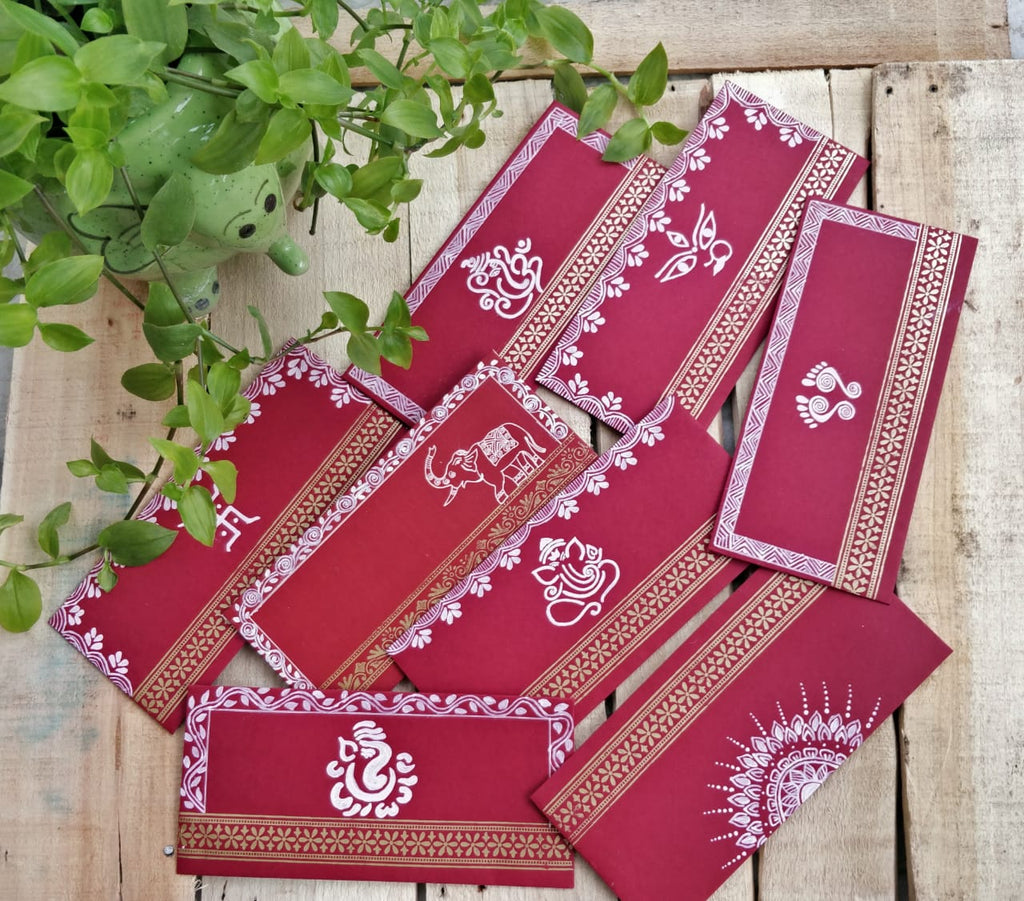
Pahari Haat Aipan Art Collection
is becoming increasingly appreciated by people who want handcrafted Uttarakhand folk art rooted in real cultural identity instead of factory-made imitation decor.
What Is Aipan Art?
Aipan Art is a traditional ritual folk art form from the Kumaon region of Uttarakhand.
The word:
“Aipan”
is believed to come from:
“Arpan”
meaning:
offering.
Traditionally, Aipan patterns were hand-drawn by women using:
- rice paste
- natural colors
- fingers
- cotton tools
on surfaces coated with:
Geru
(a natural reddish mud base).
The contrast of white sacred geometry over deep red backgrounds became one of the most recognizable visual identities of Kumaoni culture.
Even today, authentic Aipan still carries this symbolic aesthetic.
Why Aipan Art Feels Spiritually Different
Most modern decor is designed only to look visually attractive.
But Aipan was traditionally created with:
- intention
- symbolism
- ritual meaning
- sacred geometry
- spiritual emotion
Different Aipan motifs were associated with:
- prosperity
- protection
- festivals
- welcoming deities
- sacred occasions
- family rituals
That is why authentic Aipan never feels emotionally empty.
Even modern interpretations still carry a certain warmth and sacredness difficult to explain in words.
Why Aipan Art Is Becoming Popular Again
Modern life has created a strange paradox.
People have more products than ever before —
yet homes increasingly feel emotionally disconnected.
And because of this, consumers are now searching for decor and craft forms that feel:
- handmade
- meaningful
- rooted
- culturally alive
- emotionally authentic
This is exactly why Indian folk arts are seeing renewed appreciation.
Especially art forms like Aipan that still feel deeply connected to:
- tradition
- rituals
- mountain identity
- handmade craftsmanship
In a world dominated by machine-made decor, Aipan feels deeply human.
The Sacred Geometry of Kumaoni Culture
One of the most fascinating aspects of:
Aipan Art Uttarakhand
is its use of sacred geometry.
Traditional motifs often contain:
- circles
- dots
- lotus forms
- symmetrical patterns
- spiritual symbols
- ritual diagrams
Each design traditionally carried purpose.
For example:
- Lakshmi Chowki designs were associated with prosperity
- Saraswati Chowki designs were linked with learning
- Jyoti patterns symbolized sacred energy
This symbolic depth gives Aipan artistic richness beyond ordinary decorative art.
Why Handmade Aipan Feels Different from Printed Decor
Today, many products imitate Aipan patterns digitally.
But authentic handmade Aipan feels completely different.
Because real Aipan carries:
- Hand movement
- Imperfect beauty
- Human touch
- Cultural memory
- Artisan emotion
Machine-perfect printing often removes the soul of traditional folk art.
This is why handcrafted Aipan increasingly attracts people seeking:
- Authentic Indian craft
- Slow living aesthetics
- Cultural storytelling
- Traditional artistry
instead of mass-produced imitation decor.
Why Uttarakhand’s Folk Arts Matter Today
Folk art traditions survive only when people continue valuing them.
And honestly:
many traditional Indian art forms are disappearing because machine-made products dominate the market.
Supporting authentic:
Aipan Art from Uttarakhand
does more than decorate a space.
It helps preserve:
- Artisan traditions
- Women-led craftsmanship
- Kumaoni identity
- Himalayan cultural heritage
- Intergenerational knowledge
That cultural preservation matters enormously.
Why Pahari Haat Aipan Art Feels More Authentic
Pahari Haat Aipan Art Collection
stands apart because it approaches Aipan not merely as “ethnic decor,” but as a living cultural tradition.
The collection reflects:
- Kumaoni artistic identity
- Traditional symbolism
- Handmade aesthetics
- Uttarakhand heritage
- Authentic folk craftsmanship
instead of turning Aipan into generic printed design trends.
And honestly:
modern consumers increasingly recognize that authenticity immediately.
Aipan Is More Than Wall Decor
One of the biggest misconceptions today is that Aipan is only decorative.
Traditionally, Aipan existed inside:
- Entrances
- Prayer spaces
- Ritual areas
- Sacred ceremonies
- Festivals
- Family celebrations
It was part of spiritual life itself.
That emotional and ritual connection still gives Aipan extraordinary depth today.
And perhaps that is why even modern Aipan continues feeling calming and meaningful inside contemporary homes.
Why Red and White Colors Matter in Aipan
Traditional Aipan primarily uses:
- White
- Red
for symbolic reasons.
The red base traditionally represented:
- Sacredness
- Energy
- Auspiciousness
while white rice paste symbolized:
- Purity
- Blessings
- Spiritual intention
This visual contrast became one of the strongest identities of Kumaoni folk art.
Even today, authentic Aipan instantly feels recognizable because of this sacred color language.
Why Traditional Indian Folk Art Is Becoming Globally Appreciated
Across the world, people are increasingly moving toward:
- Handmade craft
- Slow living
- Traditional artistry
- Meaningful decor
- Cultural storytelling
because modern machine-made products often feel emotionally empty.
Indian folk arts like:
Aipan Art Uttarakhand
carry something many modern products lack:
Human presence.
And that emotional authenticity matters more than ever today.
Frequently Asked Questions About Aipan Art Uttarakhand
What is Aipan Art?
Aipan Art is a traditional ritual folk art form from the Kumaon region of Uttarakhand traditionally created using white rice paste on red backgrounds.
What does Aipan mean?
The word “Aipan” is believed to originate from “Arpan,” meaning offering.
Why is Aipan Art famous?
Aipan Art is famous for its sacred geometry, ritual symbolism, handmade craftsmanship, and deep connection to Kumaoni culture.
Is Aipan Art handmade?
Traditional Aipan Art is handmade and traditionally created by women using rice paste and natural surfaces.
Where can I buy authentic Aipan Art from Uttarakhand?
Many people explore:
Pahari Haat Aipan Art Collection
for handcrafted Aipan products inspired by authentic Kumaoni folk traditions.
Final Verdict: Why Aipan Art Uttarakhand Feels So Timeless
Some traditions survive because they are preserved in museums.
Others survive because they continue living inside homes and memories.
Aipan belongs to the second category.
It is not merely decorative art.
It is:
- Ritual
- Symbolism
- Culture
- Feminine creativity
- Himalayan identity
- Kumaoni heritage
expressed through sacred handmade patterns.
That is exactly why:
Aipan Art Uttarakhand
continues becoming one of India’s most emotionally meaningful traditional folk art forms.
And if you want to experience handcrafted Aipan inspired by authentic Kumaoni traditions:
Explore Pahari Haat Aipan Art Collection
Sacred geometry.
Handmade Kumaoni craftsmanship.
Traditional Uttarakhand folk identity.
A timeless Himalayan art tradition still alive today.
-
Posted in
aipan chowki design, aipan folk art, aipan painting, artisanal folk art, authentic aipan art, cultural art uttarakhand, folk decor india, handcrafted aipan decor, handmade aipan art, handmade folk art india, handmade ritual art, himalayan folk art, indian traditional art, kumaon cultural art, kumaon traditional art, kumaoni aipan art, kumaoni heritage art, pahari haat aipan art, red and white folk art, ritual art uttarakhand, sacred aipan design, sacred folk patterns, sacred geometry folk art, traditional aipan art, traditional indian folk art, traditional kumaoni folk art, traditional wall art india, uttarakhand folk art, women led folk art