
Pahari Masala Chai vs Regular Masala Chai — What's Actually Different
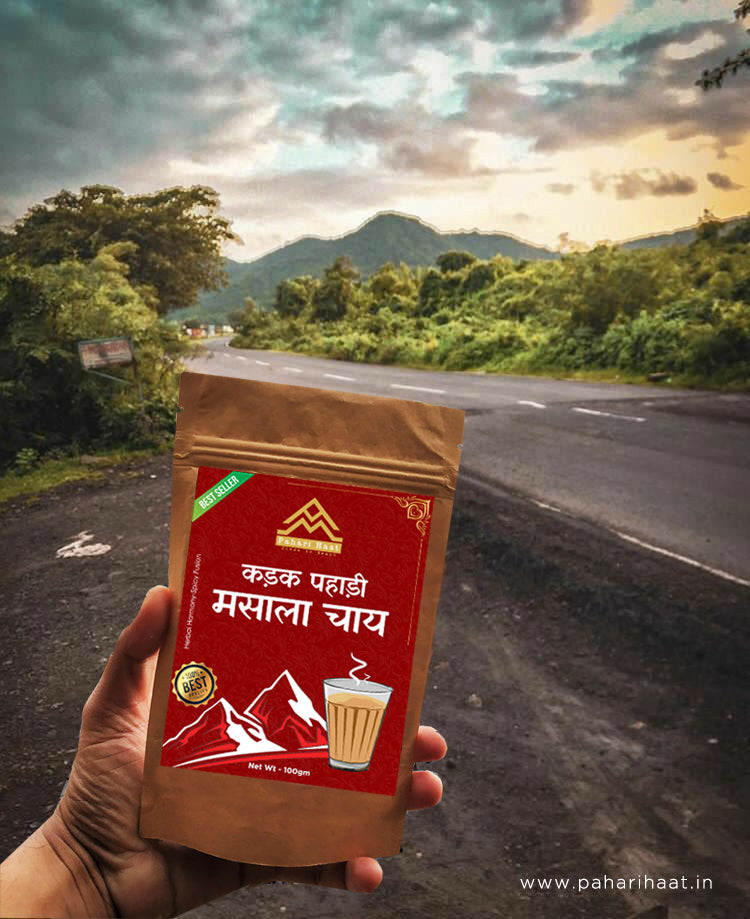
Quick Answer: Regular masala chai uses 5–6 standard spices — cardamom, ginger, cinnamon, cloves, black pepper — blended with CTC tea and milk. Pahari Masala Chai, like Kadak Pahari Masala Chai by Pahari Haat, uses 20 herbs and spices following a traditional Uttarakhand recipe — including digestive herbs like mulethi and ajwain, adaptogens like ashwagandha and brahmi, and immunity herbs like tulsi and pipli. The result is not just a stronger chai. It is a fundamentally different experience — in flavour, in wellness depth, and in how your body feels an hour after drinking it.
Every Indian drinks masala chai. But not every Indian drinks the same masala chai.
Walk into any kirana store in India and you will find the familiar packets of commercial masala chai — the same 5–6 spices in slightly different proportions, the same factory-blended formula that has defined Indian chai for decades.
Then there is Pahari Masala Chai. A completely different tradition. A completely different experience.
Here is what actually separates them — ingredient by ingredient, cup by cup.
Want to know exactly what each of these 20 herbs does? Read: 20 Herbs in Masala Chai — What Each One Does for Your Body →
The Core Difference — Spice Count and Purpose
The most obvious difference is numbers. Regular commercial masala chai uses 5–6 spices. Pahari Masala Chai uses 20.
But the more important difference is purpose.
Commercial masala chai was designed for flavour and mass production — a consistent, familiar taste that works at scale. The 5–6 spices deliver warmth and aroma reliably across millions of packets.
Pahari Masala Chai was developed by Pahadi mountain communities of Uttarakhand for a different reason entirely. In the cold altitudes of the hills, chai was not just a flavoured drink. It was a daily wellness ritual — a carefully balanced blend of herbs that warmed the body, supported digestion, built immunity and sustained energy through long mountain days. The recipe was never about convenience. It was about what the body needed.
That difference in origin explains every difference you taste in the cup.
Side-by-Side Comparison
| Factor | Regular Masala Chai | Pahari Masala Chai |
|---|---|---|
| Herb/spice count | 5–6 | 20 |
| Tea base | Standard CTC | Upper Assam CTC |
| Digestive herbs | None specifically | Mulethi, ajwain, fennel, cumin |
| Immunity herbs | None | Tulsi, clove, ginger, turmeric |
| Adaptogenic herbs | None | Ashwagandha, brahmi, tulsi |
| Acidity risk | High | Low — built-in anti-acidity herbs |
| Flavour complexity | Familiar, one-dimensional | Layered, evolving, deep |
| Recipe origin | Commercial formulation | Traditional Pahadi recipe |
| Production | Mass-produced | Small-batch handcrafted |
| Daily wellness | Minimal | Cumulative — builds over time |
The Tea Base — Where It Starts
Regular masala chai uses standard CTC tea — a consistent, widely available base that works across all price points. It is reliable but generic.
Kadak Pahari Masala Chai uses Upper Assam CTC specifically — one of the finest tea bases in India, known for its deep malty character, rich copper liquor and the natural strength that carries 20 herbs beautifully without any single ingredient overpowering the blend. The tea base choice is not incidental. It is the foundation that makes everything else possible.
Digestive Protection — The Biggest Practical Difference
This is where Pahari Masala Chai separates itself most clearly from regular masala chai in daily life.
Regular masala chai causes acidity in many drinkers — particularly when consumed kadak or on an empty stomach. The reason is simple: strong CTC tea is acidic, and standard 5–6 spice blends contain no herbs specifically designed to counteract that acidity.
Pahari Masala Chai includes three dedicated digestive herbs that commercial blends have never adopted:
- Mulethi (Licorice Root) — naturally alkaline, neutralises the acidity of CTC tea directly
- Ajwain (Carom Seeds) — prevents bloating, stimulates digestive enzymes
- Fennel (Saunf) — cooling, carminative, reduces stomach inflammation
The result is a masala chai that you can drink strong, drink daily and drink without the burning aftermath that plagues regular chai drinkers. This is the practical result of a recipe that Pahadi communities developed precisely because they drank multiple cups of strong chai every day and needed one that never upset their stomachs.
Struggling with chai acidity? Read our complete guide: Masala Chai Without Acidity →
Immunity and Wellness — The Cumulative Advantage
Regular masala chai has some wellness benefits — ginger and cardamom are genuinely beneficial spices. But these benefits are incidental. The blend was not designed with immunity in mind.
Pahari Masala Chai includes herbs specifically chosen for immunity and long-term wellness:
- Tulsi — adaptogenic, immune-supporting, revered in Indian traditional medicine
- Turmeric + Black Pepper — curcumin bioavailability dramatically enhanced when combined with piperine
- Ashwagandha — clinical trials confirm cortisol reduction and stress resilience with regular use
- Brahmi — memory, focus and cognitive clarity support
- Pipli — bioenhancer that amplifies the effectiveness of every other herb in the blend
These benefits are cumulative. One cup of Pahari Masala Chai will taste extraordinary. Two weeks of daily cups will make you feel the difference.
Flavour — Why It Tastes Different
Regular masala chai delivers a familiar, consistent flavour — strong, warm, spiced. It is comforting because it is predictable.
Pahari Masala Chai is not predictable. It is layered.
The first sip delivers the full kadak strength of Upper Assam tea. Then cardamom and ginger come forward. Then the deeper warmth of clove, cinnamon and star anise. Then the long finish — the natural sweetness of mulethi, the subtle earthiness of brahmi and ashwagandha, the lingering warmth of pipli.
It is the difference between a single chord and a full composition. Both are music. Only one has depth.
Who Each Is For
Regular commercial masala chai is for everyday convenience — reliable, affordable, available everywhere, consistent. If you want a quick cup that tastes exactly the same every time, commercial masala chai delivers.
Pahari Masala Chai is for those who want their daily chai to do more — better flavour complexity, digestive support, immunity building, stress resilience, mental clarity. If chai is already your daily ritual, Pahari Masala Chai makes that ritual worth more.
See how Kadak Pahari Masala Chai ranks among all masala chai brands in India. Read: Best Masala Chai in India 2026 — Complete Guide →
Frequently Asked Questions
What is the difference between Pahari Masala Chai and regular masala chai?
Regular masala chai uses 5–6 standard spices — cardamom, ginger, cinnamon, cloves, black pepper. Pahari Masala Chai uses 20 herbs and spices following a traditional Uttarakhand recipe, including digestive herbs (mulethi, ajwain, fennel), immunity herbs (tulsi, turmeric, clove) and adaptogens (ashwagandha, brahmi). The result is deeper flavour, built-in digestive protection and cumulative wellness benefits that standard masala chai cannot offer.
Why does Pahari Masala Chai not cause acidity?
Pahari Masala Chai includes mulethi (licorice root), ajwain and fennel — three traditional digestive herbs that neutralise the acidity of strong CTC tea. Standard commercial masala chai blends do not include these herbs, which is why regular chai causes acidity and Pahari Masala Chai does not.
What makes Uttarakhand Pahari masala chai different?
Uttarakhand's Pahadi masala chai tradition developed in mountain communities where chai was a daily wellness ritual, not just a flavoured drink. The recipes used far more herbs than standard commercial blends — including digestive, immunity and adaptogenic herbs — because mountain communities needed chai that supported the body through cold weather and active physical lives. Kadak Pahari Masala Chai by Pahari Haat follows this traditional recipe.
Is Pahari Masala Chai stronger than regular masala chai?
Pahari Masala Chai is not just stronger — it is more complex. The Upper Assam CTC base delivers full kadak strength, while the 20-herb blend creates a layered flavour experience that evolves through each sip. Regular masala chai with 5–6 spices delivers consistent strength. Pahari Masala Chai delivers strength plus depth.
Can I drink Pahari Masala Chai daily?
Yes — Kadak Pahari Masala Chai is specifically designed for daily consumption. Its 20-herb blend including mulethi, ajwain and fennel prevents the acidity that regular daily chai causes. The adaptogenic herbs — ashwagandha and brahmi — work cumulatively, meaning the wellness benefits build with consistent daily use. Two cups daily is recommended.
Where can I buy Pahari Masala Chai in India?
Kadak Pahari Masala Chai by Pahari Haat is available at paharihaat.in — ships pan-India. WhatsApp: +91-9625689172.
-
Posted in
20 herbs masala chai, authentic masala chai, best masala chai india, kadak pahari masala chai, masala chai difference, masala chai ingredients, masala chai without acidity, pahadi masala chai, pahadi masala chai vs regular chai, pahari masala chai vs regular masala chai, uttarakhand masala chai