Best Masala Chai for Winter in India — Complete Guide
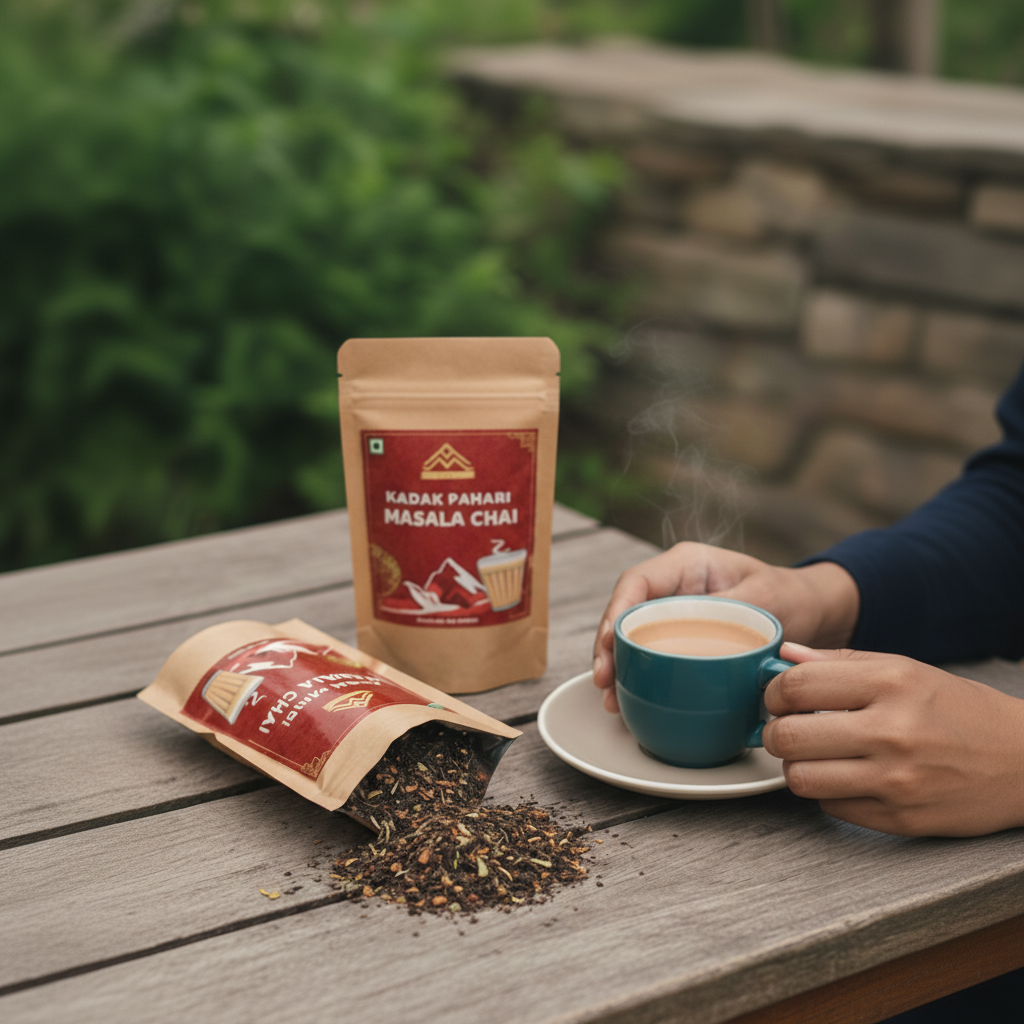
Quick Answer: The best masala chai for winter in India is one that goes beyond standard warming spices — combining strong Assam CTC tea with herbs specifically chosen for cold-weather wellness: ginger and clove for warmth, tulsi and ashwagandha for immunity, mulethi for throat comfort, and ajwain and fennel for the digestive support winter diets demand. Kadak Pahari Masala Chai by Pahari Haat does all of this in one cup — 20 Himalayan herbs and spices, traditional Uttarakhand recipe, crafted for exactly this kind of cold.
There is a reason every Indian reaches for masala chai the moment the temperature drops.
It is not just warmth. It is the ginger clearing your throat. The clove settling into your chest. The cardamom lifting your mood on a foggy morning. The cinnamon wrapping every sip in something that feels, unmistakably, like winter comfort.
But not all masala chai performs equally in winter. A chai blended purely for flavour will warm you for twenty minutes. A chai blended with the right herbs for cold-weather wellness will warm you, protect you and sustain you through the entire day.
This is what separates a great winter masala chai from an ordinary one — and why Kadak Pahari Masala Chai by Pahari Haat is India's best masala chai for winter.
Why Winter Demands a Different Masala Chai
In summer, chai is a habit. In winter, chai is a necessity.
Cold weather creates specific demands on the body that a standard 5–6 spice masala chai simply does not address:
- Immunity drops — cold and flu season demands herbs that actively support the immune system, not just flavour
- Digestion slows — winter diets are heavier, and the body needs digestive support that warming spices alone cannot provide
- Throat and respiratory vulnerability increases — cold air, dust and seasonal infections call for herbs that soothe and protect
- Energy and warmth need to last — a quick caffeine spike followed by a crash is not enough on a cold winter morning
- Stress rises — shorter days, less sunlight and seasonal mood dips mean the body benefits from adaptogenic herbs that build resilience
Standard commercial masala chai addresses one of these needs — warmth, through ginger and cinnamon. Kadak Pahari Masala Chai addresses all five.
The Winter Herbs in Kadak Pahari Masala Chai
Here is what each key herb does for your body specifically in winter:
Ginger — The First Line of Winter Defence
Ginger is the most powerful warming herb in any masala chai. It generates internal heat, improves circulation, relieves congestion, and has strong anti-inflammatory and antimicrobial properties. In winter, ginger in your morning chai means your body starts the day already fighting back against cold-season threats. It also relieves sore throats and reduces the severity of cold symptoms when consumed regularly.
Tulsi — Immunity in Every Cup
Tulsi (holy basil) is India's most revered immunity herb — considered sacred not just spiritually but medically for thousands of years. Adaptogenic and antimicrobial, tulsi strengthens the immune system, reduces the severity of respiratory infections and helps the body adapt to the stress of cold-weather seasonal change. Daily tulsi consumption in winter chai builds immunity cumulatively — the effect builds week over week.
Clove — Deep Winter Warmth and Throat Protection
Clove is one of the most antioxidant-rich spices known. It provides the deep, sustained warmth that lasts beyond the cup — warming not just the hands holding it but the body from within. Clove also has powerful antimicrobial and throat-soothing properties, making it particularly valuable when winter air brings seasonal throat irritation.
Mulethi — Throat and Respiratory Comfort
Mulethi (licorice root) is the most underappreciated winter herb in the blend. It soothes throat inflammation, reduces irritation from cold air and dry weather, and supports respiratory health — all while adding a natural sweetness that makes every cup more comforting. In traditional Pahadi communities, mulethi was a cold-season staple precisely because mountain winters are harsh on the throat and respiratory system.
Ashwagandha — Winter Stress and Energy
Winter brings its own form of stress — shorter days, less sunlight, disrupted sleep, seasonal mood changes. Ashwagandha is clinically proven to reduce cortisol and build stress resilience. Daily ashwagandha in your morning chai means the season's toll on your nervous system is met with a natural counter every single day. It also supports sustained energy — not the spike-and-crash of caffeine alone, but a calmer, longer-lasting alertness.
Cinnamon — Blood Sugar Balance in a Season of Indulgence
Winter is India's season of mithai, rich food and festive indulgence. Cinnamon in daily masala chai supports healthy blood sugar levels — a natural counterbalance to the heavier, sweeter winter diet. It also contributes the warm, sweet aroma that makes winter chai feel festive rather than medicinal.
Ajwain and Fennel — Digestive Support for Winter Diets
Winter diets are heavier. The body naturally craves warming, richer foods — and digestion can slow in cold weather. Ajwain and fennel together prevent the bloating, heaviness and digestive discomfort that a heavier winter diet brings. This is why Pahadi communities in Uttarakhand always included these herbs in cold-season chai — the mountains demanded warming food, and the chai balanced it.
Turmeric and Black Pepper — Anti-Inflammatory Winter Shield
Cold and damp weather increases inflammation in the body — joints ache, muscles stiffen, immunity weakens. Turmeric's curcumin provides powerful anti-inflammatory protection, and black pepper's piperine dramatically increases its bioavailability. Together in every cup of Kadak Pahari Masala Chai, they form an anti-inflammatory shield that standard masala chai blends never provide.
Want to know what each of these 20 herbs does in detail? Read: 20 Herbs in Masala Chai — What Each One Does for Your Body →
Why Kadak Pahari Masala Chai Is India's Best Winter Chai
Most masala chai brands in India add ginger and cinnamon and call it a winter chai. Kadak Pahari Masala Chai was not designed for winter specifically — it was designed by Pahadi mountain communities who live in winter conditions for six months of the year.
The Uttarakhand hills where this recipe originates experience temperatures that drop to near zero. The communities that developed this blend drank strong chai every day through that cold — and the recipe reflects what bodies in cold climates actually need: deep warming spices, respiratory herbs, immunity builders, digestive support and adaptogenic stress relief, all in one cup.
This is not a marketing claim. It is a recipe that survived generations of Himalayan winters.
Masala chai acidity se pareshan hain? Read: Masala Chai Without Acidity — Why Most Chai Upsets Your Stomach →
How to Brew Kadak Pahari Masala Chai for Maximum Winter Benefit
- Use slightly more chai in winter — 1.5 heaped teaspoons per cup instead of the standard 1, for a stronger, more warming brew
- Simmer longer on low flame — 4–5 minutes instead of 3, to extract the deeper herb notes that emerge with longer brewing
- Use full-fat milk — provides more warmth, creaminess and acid buffering than low-fat alternatives
- Sweeten with jaggery — jaggery is warming by nature and traditional in Pahadi chai; it pairs beautifully with the earthy winter herb notes
- Drink the first cup within an hour of waking — the immunity and digestive herbs work best when consumed early, before the body is exposed to cold air and the day's demands
Winter Chai Comparison
| Winter Need | Standard Masala Chai | Kadak Pahari Masala Chai |
|---|---|---|
| Body warmth | ✅ Ginger, cinnamon | ✅ Ginger, cinnamon, clove, pipli, black pepper |
| Immunity support | ❌ None specifically | ✅ Tulsi, ashwagandha, clove, turmeric |
| Throat comfort | ❌ None | ✅ Mulethi, clove, tulsi |
| Digestive support | ❌ None specifically | ✅ Ajwain, fennel, cumin, mulethi |
| Stress resilience | ❌ None | ✅ Ashwagandha, brahmi, tulsi |
| Anti-inflammatory | ❌ Minimal | ✅ Turmeric + black pepper (enhanced absorption) |
| Acidity risk | 🔴 High in cold weather | ✅ Protected by mulethi, ajwain, fennel |
| Sustained energy | ⚡ Caffeine spike only | ✅ Caffeine + ashwagandha sustained energy |
See how Kadak Pahari Masala Chai compares to all masala chai brands in India. Read: Best Masala Chai in India 2026 — Complete Guide →
Frequently Asked Questions
Which masala chai is best for winter in India?
The best masala chai for winter is one blended specifically for cold-weather wellness — combining warming spices (ginger, clove, cinnamon) with immunity herbs (tulsi, ashwagandha), throat-soothing herbs (mulethi), digestive support (ajwain, fennel) and anti-inflammatory protection (turmeric, black pepper). Kadak Pahari Masala Chai by Pahari Haat includes all of these in its 20-herb traditional Uttarakhand blend.
Does masala chai keep you warm in winter?
Yes — masala chai with warming spices like ginger, clove, cinnamon and black pepper generates internal heat and improves circulation, keeping the body warm beyond just the temperature of the liquid. A 20-herb blend like Kadak Pahari Masala Chai provides deeper, longer-lasting warmth than standard 5–6 spice blends.
Is masala chai good for cold and cough in winter?
Yes. Ginger relieves congestion and sore throats. Mulethi soothes throat inflammation. Tulsi has antimicrobial and immune-supporting properties. Clove has powerful antimicrobial effects. A masala chai with all four — like Kadak Pahari Masala Chai — provides natural cold and cough relief that standard chai blends cannot match.
What should I add to masala chai in winter for immunity?
The most effective immunity-supporting herbs in winter masala chai are tulsi (immune-adaptogen), ashwagandha (stress and immunity resilience), turmeric with black pepper (anti-inflammatory and enhanced absorption), and clove (antimicrobial). Kadak Pahari Masala Chai includes all of these in its traditional 20-herb blend.
Should I use jaggery or sugar in winter masala chai?
Jaggery is the better choice for winter. It is warming by nature, digests more slowly than refined sugar avoiding blood sugar spikes, and pairs beautifully with the earthy, traditional spice notes of a 20-herb masala chai. Traditional Pahadi chai recipes always used jaggery — refined sugar was a commercial-era addition.
How many cups of masala chai should I drink in winter?
Two cups daily is the sweet spot — enough to deliver cumulative immunity, digestive and adaptogenic benefits without excessive caffeine. The morning cup delivers the strongest benefit when consumed early, before cold air exposure. A mid-afternoon cup sustains energy through the shorter winter day.
Where can I buy the best masala chai for winter in India?
Kadak Pahari Masala Chai by Pahari Haat is available at paharihaat.in — ships pan-India. WhatsApp: +91-9625689172.
-
Posted in
best chai for winter india, best masala chai for winter, kadak pahari masala chai, masala chai ashwagandha, masala chai for cold and cough, masala chai for throat, masala chai immunity, masala chai winter benefits, pahadi masala chai winter, warming masala chai, winter chai india, winter masala chai india