Powerful Medicinal Herbs Grown in Uttarakhand: Ashwagandha, Giloy, Kutki, Shatavari, Brahmi, Jatamansi & Van Tulsi
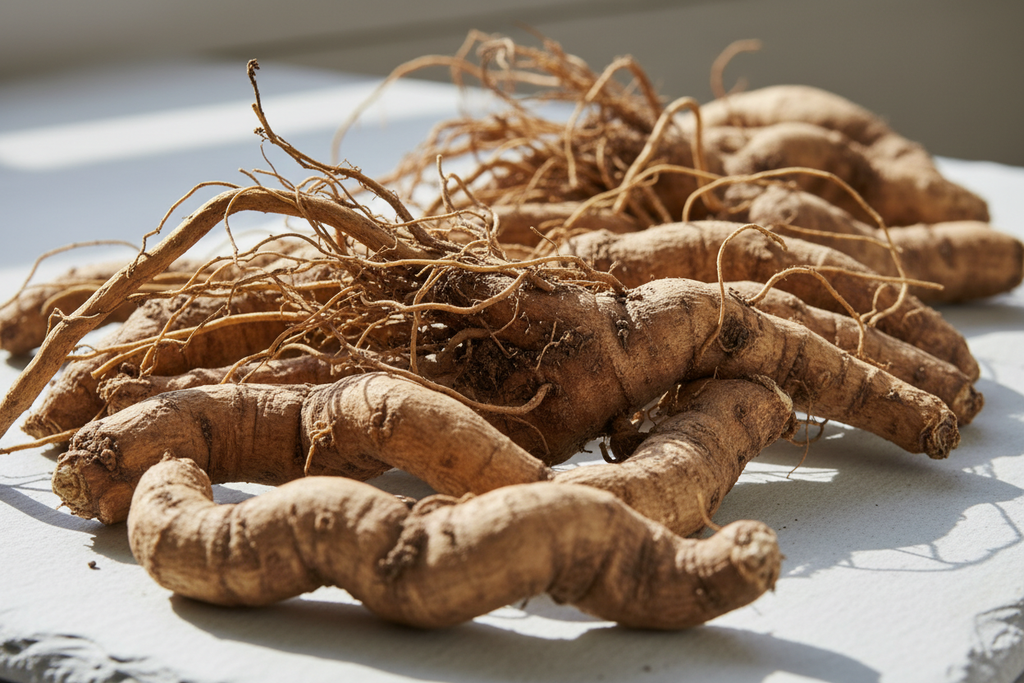
The hills of Uttarakhand are not just scenic landscapes. They are living pharmacies.
For centuries, traditional Ayurvedic healers have relied on Himalayan-grown herbs for immunity, vitality, mental clarity, and long-term balance.
Among the most powerful medicinal herbs grown in Uttarakhand are:
Ashwagandha
Giloy
Kutki
Shatavari
Brahmi
Jatamansi
Van Tulsi
Each of these herbs carries deep traditional value and growing scientific recognition.
Let’s understand what they are, how they work, and why Uttarakhand remains one of the most trusted regions for medicinal herbs in India.
Why Uttarakhand Is Ideal for Medicinal Herbs
Uttarakhand’s unique geography supports high-potency herbal growth because of:
• High altitude sunlight exposure
• Mineral-rich soil
• Clean air
• Low industrial pollution
• Traditional harvesting knowledge
Many herbs grown here develop stronger bioactive compounds due to environmental stress and slow growth cycles.
That is why Himalayan herbs are often considered more potent.
1. Ashwagandha (Withania somnifera) – The Adaptogenic Powerhouse
What is Ashwagandha?
Ashwagandha is an adaptogenic herb traditionally used in Ayurveda to support stress resilience, strength, and hormonal balance. In Uttarakhand, it is cultivated mainly in lower hill regions.
Key Benefits:
• Supports stress management
• Improves energy levels
• Supports hormonal balance
• Enhances stamina and recovery
• Promotes better sleep
Common Uses:
Powdered root
Capsules
Herbal blends
Immunity tonics
Ashwagandha is one of the most searched medicinal herbs in India, making it a powerful ranking opportunity.
2. Giloy (Tinospora cordifolia) – The Immunity Climber
What is Giloy?
Giloy is a climbing vine native to India and commonly found in forested regions of Uttarakhand. It is widely known for its immunity-supporting properties.
Key Benefits:
• Strengthens immune response
• Supports fever recovery
• Anti-inflammatory support
• Detoxifying properties
Traditional Use:
Giloy stem decoction
Giloy juice
Immunity herbal blends
Giloy became widely searched during post-pandemic immunity awareness.
3. Kutki (Picrorhiza kurrooa) – The Himalayan Liver Tonic
What is Kutki?
Kutki is a rare high-altitude herb found in the Himalayan region. It has been traditionally used for liver support and detoxification.
Key Benefits:
• Supports liver health
• Aids digestion
• Anti-inflammatory properties
• Detox support
Kutki is considered one of the most valuable Himalayan medicinal herbs due to limited availability and high therapeutic demand.
4. Shatavari (Asparagus racemosus) – Women’s Wellness Herb
What is Shatavari?
Shatavari is an Ayurvedic herb traditionally known for supporting women’s health and hormonal balance.
Key Benefits:
• Supports reproductive health
• Hormonal balance
• Lactation support
• Digestive wellness
Shatavari is often included in women-focused wellness formulations.
5. Brahmi – The Brain Herb
What is Brahmi?
Brahmi is traditionally used for cognitive enhancement and memory support.
Key Benefits:
• Enhances memory
• Improves focus
• Reduces anxiety
• Supports nervous system health
Brahmi is widely used in brain tonics and mental clarity supplements.
6. Jatamansi (Nardostachys jatamansi) – The Himalayan Nervine
What is Jatamansi?
Jatamansi is a high-altitude Himalayan herb known for calming properties.
Key Benefits:
• Stress reduction
• Sleep support
• Nervous system calming
• Emotional balance
It is highly valued in both Ayurvedic and aromatherapy formulations.
7. Van Tulsi (Wild Basil) – The Himalayan Adaptogen
What is Van Tulsi?
Van Tulsi, or wild basil, grows naturally in forest regions of Uttarakhand.
Key Benefits:
• Immunity support
• Respiratory health
• Antioxidant properties
• Adaptogenic support
It differs from cultivated tulsi in aroma and potency.
Why Himalayan Medicinal Herbs Are in High Demand
Global demand for Ayurvedic herbs is rising because people seek:
• Natural immunity boosters
• Stress management solutions
• Plant-based wellness
• Preventive healthcare
Uttarakhand remains one of India’s most trusted sources of medicinal raw herbs.
Frequently Asked Questions
What are the top medicinal herbs grown in Uttarakhand?
Ashwagandha, Giloy, Kutki, Shatavari, Brahmi, Jatamansi and Van Tulsi are among the most important medicinal herbs grown in Uttarakhand.
Why are Himalayan herbs considered more potent?
High altitude, mineral-rich soil and clean air contribute to stronger bioactive compounds in Himalayan herbs.
Is Kutki only found in the Himalayas?
Kutki primarily grows in high-altitude Himalayan regions, making it relatively rare and valuable.
Can Ashwagandha and Giloy be taken daily?
Many people use these herbs daily in moderate
The hills of Uttarakhand are not just scenic landscapes. They are living pharmacies.
For centuries, traditional Ayurvedic healers have relied on Himalayan-grown herbs for immunity, vitality, mental clarity, and long-term balance.
Among the most powerful medicinal herbs grown in Uttarakhand are:
Ashwagandha
Giloy
Kutki
Shatavari
Brahmi
Jatamansi
Van Tulsi
Each of these herbs carries deep traditional value and growing scientific recognition.
Let’s understand what they are, how they work, and why Uttarakhand remains one of the most trusted regions for medicinal herbs in India.
Why Uttarakhand Is Ideal for Medicinal Herbs
Uttarakhand’s unique geography supports high-potency herbal growth because of:
• High altitude sunlight exposure
• Mineral-rich soil
• Clean air
• Low industrial pollution
• Traditional harvesting knowledge
Many herbs grown here develop stronger bioactive compounds due to environmental stress and slow growth cycles.
That is why Himalayan herbs are often considered more potent.
1. Ashwagandha (Withania somnifera) – The Adaptogenic Powerhouse
What is Ashwagandha?
Ashwagandha is an adaptogenic herb traditionally used in Ayurveda to support stress resilience, strength, and hormonal balance. In Uttarakhand, it is cultivated mainly in lower hill regions.
Key Benefits:
• Supports stress management
• Improves energy levels
• Supports hormonal balance
• Enhances stamina and recovery
• Promotes better sleep
Common Uses:
Powdered root
Capsules
Herbal blends
Immunity tonics
Ashwagandha is one of the most searched medicinal herbs in India, making it a powerful ranking opportunity.
2. Giloy (Tinospora cordifolia) – The Immunity Climber
What is Giloy?
Giloy is a climbing vine native to India and commonly found in forested regions of Uttarakhand. It is widely known for its immunity-supporting properties.
Key Benefits:
• Strengthens immune response
• Supports fever recovery
• Anti-inflammatory support
• Detoxifying properties
Traditional Use:
Giloy stem decoction
Giloy juice
Immunity herbal blends
Giloy became widely searched during post-pandemic immunity awareness.
3. Kutki (Picrorhiza kurrooa) – The Himalayan Liver Tonic
What is Kutki?
Kutki is a rare high-altitude herb found in the Himalayan region. It has been traditionally used for liver support and detoxification.
Key Benefits:
• Supports liver health
• Aids digestion
• Anti-inflammatory properties
• Detox support
Kutki is considered one of the most valuable Himalayan medicinal herbs due to limited availability and high therapeutic demand.
4. Shatavari (Asparagus racemosus) – Women’s Wellness Herb
What is Shatavari?
Shatavari is an Ayurvedic herb traditionally known for supporting women’s health and hormonal balance.
Key Benefits:
• Supports reproductive health
• Hormonal balance
• Lactation support
• Digestive wellness
Shatavari is often included in women-focused wellness formulations.
5. Brahmi – The Brain Herb
What is Brahmi?
Brahmi is traditionally used for cognitive enhancement and memory support.
Key Benefits:
• Enhances memory
• Improves focus
• Reduces anxiety
• Supports nervous system health
Brahmi is widely used in brain tonics and mental clarity supplements.
6. Jatamansi (Nardostachys jatamansi) – The Himalayan Nervine
What is Jatamansi?
Jatamansi is a high-altitude Himalayan herb known for calming properties.
Key Benefits:
• Stress reduction
• Sleep support
• Nervous system calming
• Emotional balance
It is highly valued in both Ayurvedic and aromatherapy formulations.
7. Van Tulsi (Wild Basil) – The Himalayan Adaptogen
What is Van Tulsi?
Van Tulsi, or wild basil, grows naturally in forest regions of Uttarakhand.
Key Benefits:
• Immunity support
• Respiratory health
• Antioxidant properties
• Adaptogenic support
It differs from cultivated tulsi in aroma and potency.
Why Himalayan Medicinal Herbs Are in High Demand
Global demand for Ayurvedic herbs is rising because people seek:
• Natural immunity boosters
• Stress management solutions
• Plant-based wellness
• Preventive healthcare
Uttarakhand remains one of India’s most trusted sources of medicinal raw herbs.
Frequently Asked Questions
What are the top medicinal herbs grown in Uttarakhand?
Ashwagandha, Giloy, Kutki, Shatavari, Brahmi, Jatamansi and Van Tulsi are among the most important medicinal herbs grown in Uttarakhand.
Why are Himalayan herbs considered more potent?
High altitude, mineral-rich soil and clean air contribute to stronger bioactive compounds in Himalayan herbs.
Is Kutki only found in the Himalayas?
Kutki primarily grows in high-altitude Himalayan regions, making it relatively rare and valuable.
Can Ashwagandha and Giloy be taken daily?
Many people use these herbs daily in moderate amounts, but it is advisable to consult a healthcare professional before regular use.