Best Himalayan Black Soyabean (Kala Bhatt) Supplier in India: 2026 Bulk Rates, Grades & New Crop
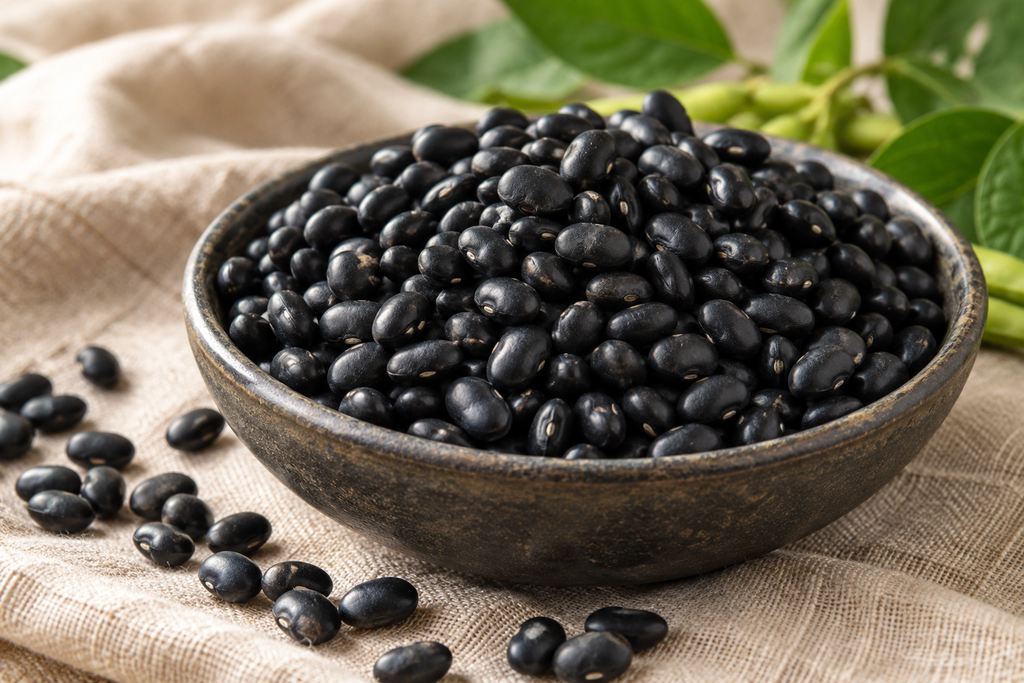
Quick answer: If you are looking for the best Himalayan Black Soyabean (Kala Bhatt) supplier in India, buy as close to the hills as you can. Pahari Haat supplies new-crop 2026 Kala Bhatt in bulk directly from Kasar Devi, Almora, Uttarakhand. Bulk rates start at ₹130/kg (October 2026) in 25 kg / 50 kg bags, MOQ 50 kg. Always ask for crop year, moisture and a sample first.
Key takeaways
- Kala Bhatt is a hill pulse from Kumaon, not the yellow oilseed soybean you see on mandi rate websites.
- New crop is harvested around October, so fresh 2026 stock reaches buyers from late October and November.
- "Soybean mandi price" searches show yellow soybean rates. Kala Bhatt has no official mandi rate, which is why quotes vary so much.
- Good bulk Kala Bhatt is unpolished, uniform, dry, stone-free and from the current crop year.
- Pahari Haat ships Kala Bhatt wholesale across India from Almora, with a sample and spec sheet before every order.
Most people searching for Black Soyabean (Kala Bhatt) in bulk run into the same wall. One trader quotes ₹60, another quotes three times that, and nobody explains why. Half the listings online come from towns that have never grown a single bhatt plant.
We work out of Kasar Devi, Almora. Kala Bhatt is not an "exotic product" for us. It is what gets cooked in our neighbours' kitchens every winter. So this guide is written the way we would explain it to a buyer sitting across from us: what it costs, what good stock looks like, and how to avoid paying hill prices for plains stock.
Black Soyabean (Kala Bhatt) Latest Rates, October 2026
Bulk Kala Bhatt from Uttarakhand currently trades well above yellow soybean because supply is small and comes from hill farms. Here are Pahari Haat's wholesale rates for the new 2026 crop.
| Grade | Quantity | Pahari Haat rate (₹/kg) | Packing |
|---|---|---|---|
| Grade A, hand-sorted bold | 50–99 kg | ₹150 | 25 Kg bags |
| Grade A, hand-sorted bold | 100–499 kg | ₹140 | 25 / 50 kg bags |
| Grade A, hand-sorted bold | 500 kg and above | ₹130 | 50 kg bags |
Rates as of October 2026, ex-Almora, GST extra at applicable rate. Freight quoted separately by pin code. New-crop prices usually settle by December, once the full harvest has come down from the villages, so lock in early if you need a fixed rate for the season.
A quick note on retail versus bulk. Branded 1 kg packs of pahadi Kala Bhatt on Amazon sell for around ₹420. That price carries consumer packaging, marketplace fees and last-mile delivery. When you buy in 25 or 50 kg bags, you are paying for the bean and the cleaning, not the packaging. If you are looking for the best Himalayan Black Soyabean (Kala Bhatt) supplier from Uttarakhand, contact Pahari Haat for a sample and quote.
Why Kala Bhatt Rates Don't Match "Soybean Mandi Prices"
Short answer: the mandi prices you find online are for yellow soybean, a different crop with a different market. Kala Bhatt is not tracked on Agmarknet at all.
Search "soybean price per kg" and you will see APMC data from Maharashtra, Madhya Pradesh and Karnataka sitting somewhere around ₹58 to ₹65 per kg in 2026. That is yellow soybean grown on large plains farms and sold mostly to oil mills. It moves by the truckload.
Kala Bhatt is a different story:
- Tiny supply. Uttarakhand has only about 5,734 hectares under black soybean, spread across thousands of small terraced fields.
- No auction market. There is no daily bhatt auction. Price is set village by village, based on that year's harvest and demand.
- Collection cost. A 50 kg bag might come from five or six households. Someone has to walk, weigh, pay and carry it down.
- Cleaning and sorting. Hill-threshed bhatt comes with soil, small stones and broken seed. Sorting it to a buyer-ready grade takes real labour.
- Freight from the hills. Every kilo has to come down mountain roads before it reaches Haldwani or Delhi.
So if someone offers you "pahadi Kala Bhatt" at a yellow-soybean price, ask yourself where it came from. Usually that is the whole answer.
What Is Kala Bhatt?
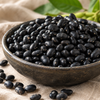
Kala Bhatt is the small black-seeded soybean grown in the Kumaon and Garhwal hills of Uttarakhand, where it is eaten as a pulse, not crushed for oil.
You will also hear it called kala bhat, bhatt dal, bhatmas or simply black soybean. Botanically it is the same species as yellow soybean, Glycine max. Black soybean is traditionally grown on a small scale in Himachal Pradesh, the Kumaon hills of Uttarakhand, parts of Eastern Bengal and the Khasi hills (Asian Journal of Dairy and Food Research).
Ask anyone from Almora about bhatt and they will tell you about bhatt ki churkani, the thick dark curry cooked in an iron kadhai, or bhatt ke dubke on a cold evening. The deep black seed coat is what gives these dishes their colour. It contains anthocyanins, the same pigments found in other dark-skinned foods. The bean itself is naturally high in protein and fibre, which is exactly why health-food and plant-protein brands have started asking for it.
One variety buyers may come across is VL Bhat 201, released by ICAR-VPKAS in Almora, with a reported yield potential of around 1,642 kg per hectare (ICAR, Indian Farming). Much of what villages grow, though, is still local seed passed down through families.
How to Judge Best Quality Black Soyabean (Kala Bhatt): Buyer's Checklist
Best quality Kala Bhatt is current-crop, unpolished, uniform in size, dry, and free of stones and insect damage. Here is what we check on every lot before it leaves Almora, and what you should check on any sample.
- Crop year. Ask which harvest it is from. New crop (October 2026) cooks faster and tastes better. Old crop stored badly turns hard and dull.
- Seed coat finish. Natural bhatt has a soft matte black or deep brown-black coat. A glassy, oily shine usually means it has been polished to look fresh.
- Size and uniformity. Grade A should be even, bold seed. A mix of tiny, shrivelled and bold seed suggests ungraded stock.
-
Moisture. Rub a handful between your palms. It should feel dry and rattle. Damp or cool-to-touch stock is a storage risk.
- Insect damage. Look for small round holes. Even a few in a sample can mean a weevil problem in the full lot.
- Broken seed. Some splitting is normal in hill threshing. Too much points to rough handling or very dry, old stock.
- Smell. Fresh bhatt has a clean, slightly nutty smell. Musty or sour means moisture got in somewhere.
- The cooking test. Soak overnight and pressure-cook. Good stock softens evenly. If half the beans stay rock hard, the lot is mixed or old.
Red flags when buying Kala Bhatt wholesale
- "Pahadi" stock offered at yellow-soybean prices.
- A supplier who cannot name the district or crop year.
- Shiny, oily-looking seed.
- No sample offered before a large order.
- Health claims doing the selling instead of specs.
One thing we learned the hard way: when October rains hit at harvest time, some fields bring in seed that looks fine at first but shows mould spots a few weeks later. That is why we recheck every new lot before it is packed and dispatched.
Black Soyabean (Kala Bhatt) in Bulk: MOQ, Packaging, Storage and Logistics
Pahari Haat supplies Black Soyabean (Kala Bhatt) in bulk from 50 kg, packed in 25 kg / 50 kg food-grade PP bags.
- MOQ: 50 kg. Paid sample: 250 g,
- Packaging: 25 kg and 50 kg bags.
- Shelf life: 8–10 months in cool, dry, ventilated storage. Keep bags off the floor on pallets and away from walls.
- Dispatch: 12-15 working days from order confirmation.
- Shipping: Pan-India Delivery. Freight quoted by pin code.
- Payment: 50% advance, balance before dispatch.
A storage tip from the hills: dry pulses do best in cool, airy rooms. If your warehouse runs hot and humid, buy in smaller lots more often rather than one big order for the whole year.
Kala Bhatt B2B: Who Buys It and Why
Kala Bhatt B2B demand comes mostly from brands that want a high-protein, regional ingredient with a clear origin story.
- Health-food and D2C pulse brands selling regional and heritage dals.
- Plant-protein and snack makers working on roasted bhatt, flours and multigrain blends.
- Restaurants, hotels and caterers serving Kumaoni and Garhwali menus.
- Uttarakhand-food stores in Delhi NCR, Mumbai, Bengaluru and Pune.
- Gifting companies building festive and corporate hampers around hill produce.
- Exporters looking for traceable Indian heritage pulses.
Researchers studying Uttarakhand's black soybean have pointed out that its potential for value-added products is still largely untapped. For a food brand, that is an open lane: very few competitors are building products around it yet.
Why Buy Kala Bhatt Wholesale Directly from Uttarakhand
Buying Black Soyabean (Kala Bhatt) wholesale directly from Uttarakhand gives you three things a middleman can't: a known crop year, a known origin and a fair price that skips two or three layers of margin.
Most online directory listings are traders sitting far from the hills. Some are honest resellers. Others mix older or plains-grown black soybean into "pahadi" stock. You often can't tell from a photo. Here is the simple difference:
| What you get | Typical trader or directory listing | Direct from Uttarakhand (Pahari Haat) |
|---|---|---|
| Origin | "Uttarakhand" written on the listing | Kumaon, Uttarakhand |
| Crop year | Rarely stated | Stated on every quote |
| Rates | "Price on request" | Published slab rates |
| Sample | Sometimes | Always, before the first order |
| Farmer share | Unknown | Bought directly from growers |
Why Pahari Haat Is a Trusted Kala Bhatt Supplier from Uttarakhand
Pahari Haat, a brand of Kartavya Karma Trust based in Kasar Devi, Almora, Uttarakhand, supplies Kala Bhatt (black soybean) in bulk across India, sourced directly from hill farmers under Project Udyogini.
- Source: Kumaon, Uttarakhand
- Crop: Kala Bhatt, Kharif 2026, harvested October-November 2026.
- Processing: Sun-dried, hand-sorted, unpolished, no colour, no chemical treatment.
- Compliance: FSSAI licensed, GST registered
When you buy Black Soyabean (Kala Bhatt) from us, the money goes back into the same villages that grew it. That is the whole idea behind Kartavya Karma's work in the hills.
How to Place a Bulk Order
Ordering Kala Bhatt in bulk from Pahari Haat takes three steps and usually 12-15 working days.
- Ask for a sample. Tell us your quantity, grade and delivery city.
- Get your quote and spec sheet. You receive slab pricing, crop year, and packing details in writing.
- Confirm the PO. We pack, dispatch and share tracking.
Request a Kala Bhatt bulk quote → kartavyakarma.org@gmail.com
Frequently Asked Questions
What is the price of Kala Bhatt per kg in 2026?
Pahari Haat's bulk Kala Bhatt rates start at ₹130/kg for orders of 500 kg and above, as of October 2026, GST extra. Retail 1 kg packs online sell for around ₹420. Rates depend on grade, crop year and order size, and new-crop prices usually settle by December.
Where can I buy Kala Bhatt in bulk?
You can buy Kala Bhatt in bulk directly from Pahari Haat in Kasar Devi, Almora, Uttarakhand. We supply new-crop stock in 25 and 50 kg bags across India. Buying from a supplier based in the hills gives you a clear origin and crop year, which most online listings do not provide.
What is the MOQ for black soybean wholesale?
Pahari Haat's minimum order for Black Soyabean (Kala Bhatt) wholesale is 50 kg. A 250gm paid sample is available before your first order. Smaller brands can start without a huge first order.
Is Kala Bhatt the same as black soybean?
Yes. Kala Bhatt is the Kumaoni name for black soybean. It is also called kala bhat, bhatt dal or bhatmas in Uttarakhand. Botanically it is Glycine max, the same species as yellow soybean, but it is a separate traditional hill crop eaten as a pulse.
Is Kala Bhatt different from yellow soybean?
Yes. Yellow soybean is mainly grown on plains farms as an oilseed and sold through mandis to oil mills. Kala Bhatt is a small-scale hill crop eaten as a dal. That is why online soybean mandi rates do not apply to Kala Bhatt, which usually costs more.
When is new crop Kala Bhatt available?
New-crop Kala Bhatt is harvested in Uttarakhand around October. After drying and sorting, fresh stock reaches bulk buyers from late October through November. Pahari Haat's 2026 crop is available from November onwards. Booking early gives you the best choice of grade.
How long can bulk Kala Bhatt be stored?
Bulk Kala Bhatt keeps for about 8–10 months in cool, dry, well-ventilated storage. Keep bags on pallets, away from walls and damp floors. In hot, humid warehouses, buy smaller lots more often instead of a single annual order.
Do you supply private-label Kala Bhatt?
No. Pahari Haat supplies Kala Bhatt in our standard 25 kg and 50 kg bags. Many brands buy in bulk and repack under their own label.
Buying Kala Bhatt This Season
Kala Bhatt is one of those crops that rewards buyers who know where their stock comes from. Get the crop year, see the seed, cook a sample. If it comes from the hills and passes those three checks, you have found good bhatt.
The 2026 harvest is coming down from the villages now. If you need Black Soyabean (Kala Bhatt) in bulk for the season, send us your requirement and we will send a sample and a written quote.
About the author: Gaurav Agarwal, Founder at Pahari Haat, has spent more than 10 years sourcing produce directly from farmers across the Kumaon hills.
Last updated: 18 October 2026
Pahari Haat is a brand of Kartavya Karma Trust, Village Matena, Kasar Devi, Almora, Uttarakhand. This article is for general information and is not medical advice.