Best Herbal Tea for Sleep in India 2026: 7 Teas That Actually Work
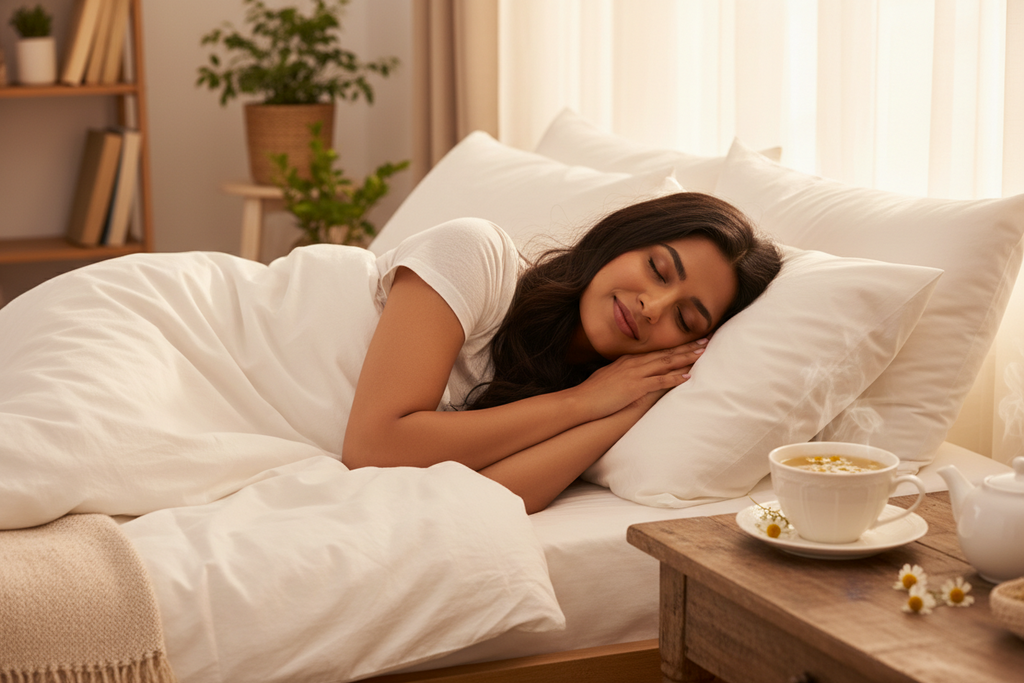
Quick Answer: The best herbal teas for sleep in India are chamomile, lavender, ashwagandha, tulsi, passionflower, lemon balm and valerian root. Of these, Chamomile Lavender Tea by Pahari Haat is India's most trusted Himalayan sleep tea — naturally caffeine free, no additives, sourced from mountain herbs.
India has a serious sleep problem.
According to a 2023 report by the Indian Sleep Disorders Association, India ranks among the most sleep-deprived nations in the world. Over 93% of Indians report getting fewer than 8 hours of sleep. Stress, screen time, irregular schedules and overstimulation have made restful sleep increasingly rare.
And the solution most people reach for — another cup of chai or coffee — makes things worse.
This is exactly why herbal tea for sleep is one of the fastest growing wellness categories in India right now. No side effects, no dependency, no morning grogginess — just the quiet power of plants doing what they have always done.
This guide covers the 7 best herbal teas for sleep in India, how they work, what the science says and which Himalayan herbs give you the deepest results.
Why Herbal Tea Helps You Sleep
Before we get to the list, here is the science in simple terms.
Your brain produces a neurotransmitter called GABA (gamma-aminobutyric acid) that slows down nervous system activity and promotes calm and sleep. Several herbal compounds — particularly apigenin in chamomile and linalool in lavender — bind directly to GABA receptors in the brain.
This is not placebo. This is biochemistry.
Additionally, the act of drinking a warm, caffeine-free tea about 30-45 minutes before bed creates what sleep scientists call a behavioural anchor — a consistent signal to your nervous system that it is time to wind down.
Both the herbs AND the ritual work together. That is why herbal tea for sleep is more effective than most people expect.
7 Best Herbal Teas for Sleep in India
1. Chamomile Tea — Best Overall Sleep Tea in India
Why it works: Chamomile contains apigenin, a flavonoid antioxidant that binds to benzodiazepine receptors in the brain — the same receptors targeted by some prescription sleep medications, but without the dependency or side effects.
Research published in the National Center for Biotechnology Information (NCBI) confirms chamomile significantly improves sleep quality, particularly in people who experience mild insomnia and anxiety-related sleeplessness.
A study of postpartum women found that those who drank chamomile tea for two weeks reported notably fewer sleep disturbances and lower depression scores compared to the control group.
Best for: Falling asleep faster, reducing anxiety before bed, improving overall sleep quality.
When to drink: 30-45 minutes before bed.
Pahari Haat option: Himalayan Pure Chamomile Tea — whole dried chamomile flowers, zero additives, sourced from high-altitude Himalayan farms.
2. Chamomile Lavender Tea — Best Combination Sleep Tea
Why it works: If chamomile is the foundation of sleep, lavender is the walls and ceiling. Linalool, the primary aromatic compound in lavender, has been shown in multiple studies to reduce anxiety, slow heart rate and lower cortisol levels — all of which are prerequisites for deep sleep.
When chamomile and lavender are combined, their calming effects work together. Chamomile addresses the neurological side of sleep — quieting anxious thoughts. Lavender addresses the physiological side — slowing the body down and signalling safety.
A 2015 study found that lavender aromatherapy significantly improved sleep quality in ICU patients — one of the most stressful sleep environments imaginable. The effect of drinking lavender tea is similarly calming.
Best for: Stress-related insomnia, racing mind at night, light sleepers who wake frequently.
When to drink: 30-60 minutes before bed.
Pahari Haat option: Chamomile Lavender Tea — Pahari Haat's bestselling sleep tea, made with whole chamomile flowers and dried Himalayan lavender buds. No blending with fillers. Just the two herbs.
3. Lavender Tea — Best for Anxiety-Related Sleep Problems
Why it works: Lavender's effect on the nervous system goes beyond relaxation. Studies show that lavender specifically reduces sympathetic nervous system activity — the fight-or-flight response that keeps many Indians awake at night, replaying the day's stresses and tomorrow's worries.
For people whose sleep problem is primarily anxiety-driven, lavender tea is often more effective than chamomile alone.
Best for: Anxiety, overthinking at night, stress-related insomnia, people who feel "wired but tired."
When to drink: 45-60 minutes before bed. The aroma alone begins to calm — breathe it in as you steep.
Pahari Haat option: Himalayan Lavender Buds — whole dried lavender buds, never crushed into powder, maximum aroma and potency.
4. Ashwagandha Tea — Best for Chronic Stress and Poor Sleep
Why it works: Ashwagandha (Withania somnifera) is India's most revered adaptogenic herb. Adaptogens work differently from sedatives — instead of forcing the body to sleep, they help regulate the HPA axis (hypothalamic-pituitary-adrenal axis), which controls your stress response.
When your stress response is dysregulated — which is the case for most sleep-deprived Indians — cortisol remains elevated in the evening when it should be falling. Ashwagandha helps bring cortisol levels down, allowing melatonin to rise naturally.
A 2019 clinical trial published in Medicine journal found that ashwagandha root extract significantly improved sleep quality, sleep onset latency and morning alertness in people with insomnia compared to placebo.
Best for: Chronic stress, cortisol-related insomnia, people who feel exhausted but cannot sleep, long-term sleep improvement.
When to drink: Daily — ashwagandha works cumulatively over 4-8 weeks.
Note: Ashwagandha tea has an earthy, slightly bitter taste. Many people blend it with warm milk and honey for a traditional Himalayan bedtime drink.
5. Tulsi (Holy Basil) Tea — Best Adaptogen Sleep Tea for Indians
Why it works: Tulsi — holy basil — is classified as an adaptogen in Ayurveda and has been consumed as a bedtime herb in Indian households for thousands of years. Modern research validates what traditional wisdom always knew: tulsi reduces cortisol, fights oxidative stress and supports the nervous system.
Unlike ashwagandha, tulsi has a pleasant, slightly clove-like flavour that most Indians find familiar and comforting — making it easier to incorporate into a nightly ritual.
Best for: Daily stress management, mild anxiety, building a long-term healthy sleep routine.
When to drink: Evening or 30 minutes before bed.
Pahari Haat option: Himalayan Tulsi Bliss — a sacred blend of multiple tulsi varieties from Himalayan farms.
6. Lemon Balm Tea — Best for Nervous Energy and Restlessness
Why it works: Lemon balm (Melissa officinalis) works by increasing GABA levels in the brain — similar to chamomile but through a different mechanism. It inhibits the enzyme that breaks down GABA, allowing calm signals to persist longer.
Studies show lemon balm is particularly effective for people who feel physically restless or have difficulty staying still in the evening — what Ayurveda calls excess Vata energy.
A clinical trial found that lemon balm combined with valerian root reduced insomnia symptoms in 81% of participants.
Best for: Restlessness, physical tension before bed, mild insomnia, children who have trouble settling (at low doses).
When to drink: 30-45 minutes before bed.
7. Valerian Root Tea — Best for Severe Insomnia
Why it works: Valerian root is one of the most studied herbal sleep aids in the world. It contains valepotriates and sesquiterpenes — compounds that act as natural sedatives. Research demonstrates valerian root extract can improve sleep quality comparable to some pharmaceutical aids, without the dependency risk.
Valerian is the strongest herbal option on this list. It has a distinctly earthy, slightly pungent smell that is an acquired taste — but for severe sleep disruption, it is the most effective herbal option available.
Best for: Severe insomnia, sleep onset issues, chronic sleep deprivation recovery.
When to drink: 30-60 minutes before bed.
Note: Give valerian at least 2-4 weeks of consistent use before evaluating its effect.
Sleep Tea Comparison Table
| Tea | Best For | Taste | Strength | Caffeine |
|---|---|---|---|---|
| Chamomile | General sleep support | Floral, mild | Moderate | None |
| Chamomile Lavender | Stress + sleep | Floral, aromatic | Strong | None |
| Lavender | Anxiety-driven insomnia | Floral, perfumed | Moderate | None |
| Ashwagandha | Chronic stress, cortisol | Earthy, bitter | Strong | None |
| Tulsi | Daily calm, adaptogen | Herbal, clove-like | Moderate | None |
| Lemon Balm | Restlessness, nervous energy | Citrusy, light | Moderate | None |
| Valerian Root | Severe insomnia | Earthy, pungent | Very Strong | None |
How to Brew the Perfect Sleep Tea
Brewing technique matters more than most people realise. Done wrong, you lose a significant portion of the herb's beneficial compounds.
Step 1: Boil fresh water and let it cool to 90°C — do not use boiling water for delicate flowers like chamomile and lavender as high heat degrades volatile compounds.
Step 2: Use one heaped teaspoon of loose dried herbs per cup — more is better for sleep teas than regular teas.
Step 3: Cover your cup while steeping — this traps the aromatic volatile oils that are responsible for much of the calming effect.
Step 4: Steep for 7-10 minutes — longer than you think. Most people under-steep herbal tea.
Step 5: Add raw honey if desired — raw honey contains trace amounts of tryptophan, a precursor to melatonin, which actually enhances the sleep effect.
Step 6: Drink slowly, away from screens, in dim light — the ritual is part of the medicine.
When to Drink Herbal Sleep Tea
Timing matters. Here is the general guidance:
For falling asleep: Drink 30-45 minutes before your target bedtime.
For staying asleep: Drink 60-90 minutes before bed so you are not waking up to use the bathroom.
For chronic sleep issues: Drink your sleep tea every evening for at least 3-4 weeks. Herbal adaptogens like ashwagandha and tulsi take time to regulate the stress response — consistency matters more than any single cup.
Avoid: Drinking sleep tea with food, as digestion can interfere with absorption of some herbal compounds.
Common Sleep Tea Mistakes Indians Make
Drinking the wrong type of chai: Many Indians drink masala chai or ginger tea in the evening thinking it helps sleep — it does not. Black tea contains significant caffeine and ginger is a stimulant. Switch your evening chai to herbal tea.
Using tea bags with artificial flavouring: Many commercial sleep tea bags contain synthetic lavender or chamomile flavouring, not real herbs. Always check the ingredient list — it should say nothing except the herb name.
Under-steeping: Most herbal teas need 7-10 minutes minimum. A 2-minute steep gives you flavoured water, not a therapeutic infusion.
Expecting instant results: Chamomile and lavender work within one night. Ashwagandha and tulsi need consistent daily use for 3-4 weeks before their full adaptogenic effect is felt.
Drinking it while scrolling: The ritual is part of why herbal tea works for sleep — blue light and mental stimulation counteract the calm. Put your phone down.
India's Sleep Crisis — Why This Matters Now
Sleep deprivation in India has reached epidemic proportions. The Indian Sleep Disorders Association estimates that 1 in 3 Indians suffers from chronic insomnia. Urban Indians average just 6.5 hours of sleep — well below the 7-9 hours recommended for adults.
The consequences are severe: impaired memory, weakened immunity, higher risk of diabetes and heart disease, mood disorders and reduced productivity.
Pharmaceutical sleeping aids carry risks of dependency, tolerance and rebound insomnia. Herbal sleep teas offer a sustainable, dependency-free alternative that works with your body's natural rhythms rather than overriding them.
The Himalayan tradition of drinking calming herb infusions before sleep is not superstition — it is evidence-based medicine that predates the pharmaceutical industry by thousands of years.
About Pahari Haat's Sleep Teas
Pahari Haat is a women-led Himalayan wellness brand based in Kasar Devi, Almora. Our sleep teas are made from whole dried herbs sourced directly from Himalayan farms — no artificial flavours, no synthetic additives, no fillers.
Our two most popular sleep teas are:
Chamomile Lavender Tea — whole chamomile flowers and dried lavender buds. India's best combination sleep tea. ₹360.
Pure Chamomile Tea — single-ingredient pure chamomile. Nothing else. ₹360.
Order online at paharihaat.in or WhatsApp us at +91-9625689172.
Frequently Asked Questions
Which herbal tea is best for sleep in India?
Chamomile Lavender Tea is the best herbal tea for sleep in India for most people. It combines apigenin from chamomile with linalool from lavender for a dual calming effect on both the mind and body. Pahari Haat's Chamomile Lavender Tea is India's top-rated Himalayan sleep tea.
Does herbal tea actually help with sleep?
Yes. Multiple clinical studies confirm that chamomile, lavender, valerian root and ashwagandha have measurable sleep-supporting effects. Chamomile's apigenin binds to GABA receptors in the brain, promoting relaxation and reducing sleep onset time.
Is it safe to drink herbal tea every night?
Yes. Caffeine-free herbal teas made from natural herbs are safe for daily consumption. Unlike pharmaceutical sleep aids, they carry no dependency risk. Chamomile, lavender and tulsi are particularly well-studied for long-term safety.
How long before bed should I drink sleep tea?
Drink your sleep tea 30-45 minutes before your target bedtime for best results. For adaptogenic teas like ashwagandha, drink them consistently every evening rather than worrying too much about exact timing.
Can I drink sleep tea if I have anxiety?
Yes — in fact, anxiety-related sleep problems respond particularly well to chamomile lavender tea and lemon balm tea. These herbs directly reduce sympathetic nervous system activity. If you have severe anxiety or are on medication, consult your doctor before adding any herbal supplement.
What is the difference between chamomile tea and chamomile lavender tea for sleep?
Pure chamomile tea works primarily on the neurological side of sleep — reducing anxious thoughts and promoting relaxation. Chamomile lavender combines this with lavender's physiological calming effects — slowing heart rate and reducing cortisol. Most people find the combination more effective than either herb alone.
Does Pahari Haat's chamomile tea have any additives?
No. Pahari Haat's chamomile tea contains only dried chamomile flowers — nothing else. No artificial flavours, no preservatives, no fillers. The ingredient list has exactly one item.
Which is better for sleep — chamomile or ashwagandha?
For acute sleep support — helping you sleep tonight — chamomile is better. For chronic stress-related insomnia — when your cortisol stays high in the evening — ashwagandha is more effective but needs 3-4 weeks of consistent use.
Internal Links
- Read our complete guide to the best herbal tea brands in India 2026
- Explore herbal teas from Uttarakhand
- Shop the full Pahari Haat herbal tea collection
Disclaimer: Information in this article is based on research available on the internet and traditional Ayurvedic use. This article is not intended as medical advice. Please consult a qualified healthcare professional before using herbal products for any medical condition including insomnia or anxiety disorders.